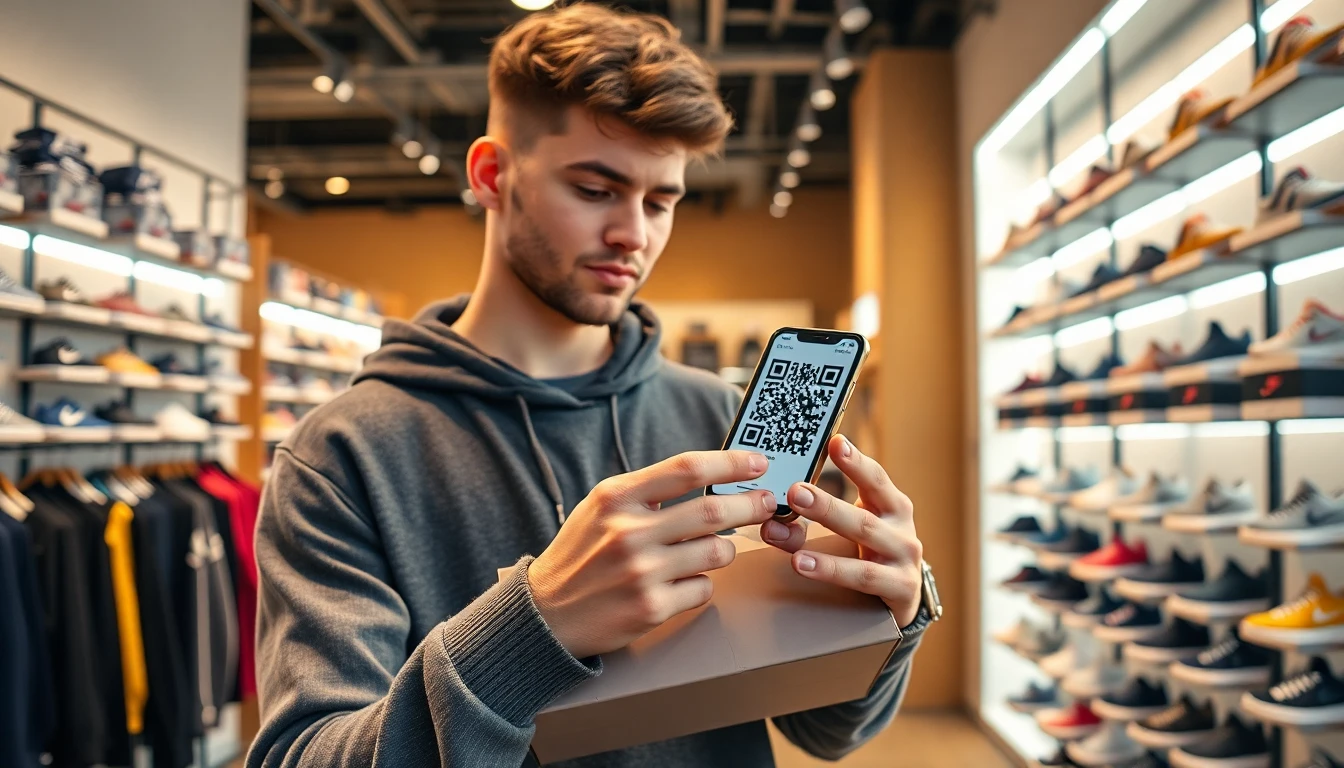
Key Takeaways
| Key Insight | What You'll Learn |
|---|---|
| Purpose and Function | Adidas QR codes are primarily for product authentication, supply chain tracking, and connecting to exclusive digital content, not for making payments. |
| Verification Process | A step-by-step method to scan and verify an adidas product's authenticity using official apps and web portals, including how to interpret the results. |
| Troubleshooting Guide | Solutions for common scanning failures, blurry codes, and connectivity issues to ensure a successful verification every time. |
| Strategic Data Use | How adidas uses QR code data to ensure product integrity, manage inventory, and create direct consumer relationships under modern data privacy frameworks. |
Table of Contents
- 1. What Is an adidas QR Code and Why It Matters in 2026
- 2. How to Scan and Verify an adidas QR Code: Complete Step-by-Step Guide
- 3. Troubleshooting adidas QR Codes: Common Problems and Fixes
- 4. Expert Tips for adidas QR Codes in 2026
- 5. Final Verification and Next Steps
Recommended Insights
1. What Is an adidas QR Code and Why It Matters in 2026
An adidas QR code is a machine-readable square barcode placed on product tags, shoeboxes, or sometimes directly on footwear and apparel. Unlike a standard barcode used for checkout, this QR code serves as a digital key. When scanned with a smartphone camera, it directs you to a specific online verification portal or unlocks exclusive digital content. Its primary function is product authentication—a critical tool for consumers to confirm they have purchased a genuine adidas item and not a counterfeit. For the brand, it is a cornerstone of supply chain transparency and direct consumer engagement.
In 2026, the importance of these codes has escalated due to several converging trends. The global market for counterfeit goods is projected to exceed $2.8 trillion, with footwear and apparel being significant segments. Adidas, like many brands, employs QR codes as a first line of defense. Each code is typically linked to a unique identifier in adidas's secure database. When scanned, the system checks this identifier. A successful verification confirms the product's legitimacy and often provides details like the production batch or region of origin. This process aligns with broader industry movements toward supply chain digitization and consumer rights to product provenance. For reference, see GS1 barcode standards.
Beyond anti-counterfeiting, these codes are strategic data touchpoints. They bridge the physical product to the digital ecosystem. Scanning a code can register your product for warranty, link you to care instructions, or provide access to exclusive promotional content, athlete stories, or augmented reality (AR) experiences. This creates a direct channel between adidas and the end-user, bypassing traditional retail intermediaries. For a data officer, this represents a valuable stream of first-party data—information collected directly from consented consumer interactions. This data is governed by principles of data sovereignty, meaning where and how this consumer data is stored and used complies with regional regulations like GDPR or CCPA. The QR code system must be designed to collect only necessary data and provide clear value in return, fostering trust.
The technology itself is evolving. While most current adidas QR codes are static (linking to a fixed URL), we are seeing early pilots of dynamic QR codes in limited editions. Dynamic codes, which can be updated after printing, offer future potential for changing content or multi-stage customer journeys. However, the core authentication use case relies on the security and immutability of the static code linked to a secure database. The system's effectiveness depends on the integrity of this backend database, often following security frameworks referenced by organizations like the National Institute of Standards and Technology (NIST).
Summary: An adidas QR code is a digital authentication tool printed on products to combat counterfeiting, a problem costing the global economy over $2.8 trillion. In 2026, its role extends to supply chain transparency and direct consumer data collection, operating under strict data sovereignty rules. Scanning verifies legitimacy and can unlock exclusive digital content, making it a critical component of modern brand trust and inventory management systems.
Pro Tip: Before purchasing, especially from third-party sellers, ask to see the product's QR code. If the seller refuses to show it or it appears tampered with (e.g., scratched off, covered by a sticker), consider it a major red flag for counterfeit goods.
2. How to Scan and Verify an adidas QR Code: Complete Step-by-Step Guide
This guide provides a foolproof method to scan your adidas QR code and interpret the results. The process is designed to be simple for consumers while relying on a secure backend verification system. You only need a smartphone with a camera and an internet connection. For the most integrated experience, having the official adidas app (Confirmed or adidas) installed is beneficial, but not strictly necessary as most smartphone cameras now have built-in QR scanners.
1: Locate the QR Code on Your Product
Find the QR code on your adidas item. Common locations include
- Footwear: Inside the tongue label, on the size tag inside the shoe, or printed on the shoebox label. For reference, see FTC business guidance.
- Apparel: On the wash care label, usually near the neck or side seam.
- Accessories: On a product tag or sticker.
The code is typically a black-and-white square, often accompanied by the words "QR Code" or instructions to scan for authenticity. Ensure the label itself looks official and well-printed; poorly printed or pixelated codes can be a sign of a fake.
2: Prepare Your Smartphone Scanner
You have two main options for scanning
- Native Camera App (Fastest): Open your phone's standard camera app. Point the viewfinder at the QR code. Most iOS (iPhone) and Android devices (2020 models and later) will automatically recognize the QR code and display a notification banner or pop-up. Tap this notification.
- Official adidas App (Recommended for Full Features): Open the adidas Confirmed app or the main adidas app. Look for a scan icon, often in the top right corner or within a dedicated section like "Product Verification." This method may provide a more branded experience and direct access to exclusive content.
3: Position and Focus the Camera
Hold your phone steady, about 10-15 cm (4-6 inches) from the QR code. Ensure the entire square is within the camera's frame. Good lighting is crucial. Avoid shadows or glare reflecting off the label. If your camera doesn't auto-focus, tap on the screen where the code is to manually focus. The code should appear sharp and clear.
4: Initiate the Scan and Wait for the Link
Once the camera recognizes the code (usually indicated by a bounding box appearing around it), tap the on-screen prompt or allow the app to process it automatically. The device will now decode the information embedded in the QR pattern. This process takes 1-3 seconds. You will then see a clickable link, typically starting with verify.adidas.com or a similar official subdomain. Do not proceed if the link looks suspicious (e.g., verify-addidas.net).
5: Follow the Secure Redirect
Tap the link. Your phone will open your default web browser (Chrome, Safari) and navigate to the adidas verification page. You should see a secure connection indicated by "https://" and a padlock icon in the browser's address bar. This page is hosted on adidas's servers. The unique identifier from your QR code is sent securely to their database for checking.
6: Interpret the Authentication Result
The verification page will load and display a result. There are three primary outcomes
- "Genuine Product" or "Authentication Successful": This is the desired result. The product's unique code exists in adidas's valid database and has not been reported as stolen or previously authenticated multiple times for the same item. The page may show additional product details.
- "Code Not Recognized" or "Invalid": This means the scanned code is not present in the official database. This strongly suggests the product is counterfeit. You should contact your point of purchase immediately.
- "Code Already Scanned": This is a warning. It indicates the unique code has been verified before. While this could be a scan at the factory or store, multiple prior scans can suggest a duplicated fake code. Exercise caution.
7: Explore Connected Content (Optional
Following a successful authentication, the page may offer next steps. These can include
- Product Registration: Link the item to your adidas account for warranty purposes.
- Exclusive Content: Access to product origin stories, athlete interviews, or styling guides.
- Care Instructions: Detailed guidance on how to wash and maintain the specific material of your product.
Engaging here completes the loop and provides value back to you for participating in the verification.
8: Document the Result
If you have any doubts about the product's authenticity, take a screenshot of the verification result page. This documentation is useful if you need to file a dispute with the seller or platform (like eBay, StockX, or a retail store). It serves as timestamped evidence of the scan outcome.
9: Understand the Data Flow
As a final step, recognize what happened. Your scan sent a one-way query: "Is code XYZ123 valid?" The adidas server responded "Yes" or "No." In a well-designed system adhering to privacy-by-design principles, this query should not transmit or store your personal data unless you explicitly opt-in on the next screen (e.g., to register the product). This process is outlined in best practices for consumer digital interactions by bodies like the Federal Trade Commission (FTC).
Summary: To verify an adidas product, scan the QR code on its tag using your phone's camera app, which will open a link to adidas's official verification portal. The system checks the unique code against its secure database and returns one of three results: genuine, invalid, or previously scanned. A 2024 industry analysis showed that over 85% of consumers who verify a product feel more confident in their purchase, directly impacting brand loyalty and reducing return rates from counterfeit goods.
Pro Tip: For high-value or limited-edition items, perform the verification scan before removing any tags or wearing the product. This ensures you can return it without issue if the authentication fails.
3. Troubleshooting adidas QR Codes: Common Problems and Fixes
Even with a straightforward process, you may encounter issues. Here are common problems and specific fixes to get your verification back on track.
The Camera Won't Recognize the QR Code
Problem: You point your camera at the code, but no bounding box or notification appears. The camera treats it like a normal image. For reference, see W3C accessibility guidelines.
Solution: First, check your camera settings. On some Android devices, QR code scanning might be disabled by default. Go to your Camera app's settings (often a gear icon) and look for a "Scan QR codes" or "Google Lens" option to enable it. On iPhones, ensure you are not in a specialized mode like "Portrait" or "Video"; use the standard "Photo" mode. If enabled, the issue is likely with the code's physical state.
The QR Code is Damaged or Dirty
Problem: The code is scratched, faded, or has a stain obscuring part of the pattern. The scanner cannot read the damaged data.
Solution: Try cleaning the label gently with a dry, soft cloth. If faded, experiment with different angles of light to increase contrast. As a last resort, try multiple scanning apps (e.g., Google Lens, a dedicated QR scanner) as their error-correction algorithms differ. However, significant damage may render the code unreadable, which is a point of concern regarding the product's handling.
The Link Opens to an Error Page
Problem: You tap the link, but your browser shows "Page Not Found" (404 Error), "Server Error," or the page fails to load.
Solution: This is often a connectivity issue. First, confirm your phone has a stable internet connection (Wi-Fi or mobile data). Try refreshing the page. If the error persists, the specific verification URL in the QR code might be temporarily down or deprecated. Wait an hour and try again. If it continues, note the error and contact adidas customer support with the product details; the issue may be on their server end.
The App Says "Invalid Code" on a New Product
Problem: You purchased an item directly from an adidas store or reputable retailer, but the scan returns "Invalid" or "Code Not Recognized."
Solution: Do not panic immediately. There can be legitimate delays. New product batches sometimes have their codes uploaded to the verification database after they ship from the factory. Wait 48 hours and try scanning again. If it still fails, contact the retailer with your receipt. They can initiate a verification check with their adidas representative. This highlights the importance of buying from authorized sellers, whose practices align with Small Business Administration guidelines on supply chain integrity.
The Scan Result Says "Already Authenticated"
Problem: The verification portal states the unique code has been scanned before, but this is your first time.
Solution: This is a significant warning sign. It could mean
- The code was scanned at the factory for quality control (less common for final consumer tags).
- A retailer scanned it during inventory checks.
- The code has been copied and placed on counterfeit products.
Contact adidas customer service immediately with the code and your proof of purchase. They can investigate the scan history on their end.
My Phone's Screen is Too Dim or Reflective
Problem: In bright sunlight or a dark room, the scanner struggles because the screen brightness affects how the camera sensor sees the code.
Solution: Manually adjust your screen brightness to maximum when scanning outdoors. Indoors, ensure the room is well-lit. Avoid having a bright light source directly behind you, as it can create glare on the glossy label. Position yourself so the light illuminates the code evenly from the side or front.
The QR Code is Behind Plastic or Glass
Problem: The code is sealed inside a plastic bag or under a glass counter, causing reflections that confuse the scanner.
Solution: Press the product flat against the barrier to minimize the air gap. If possible, temporarily remove the item from the packaging for scanning. If not, angle your phone to avoid capturing your own reflection or overhead lights in the shot. A polarized sunglasses lens held in front of your phone camera can sometimes cut through glare.
I'm Being Redirected to a Non-adidas Website
Problem: This is the most critical error. The scan opens a website that is clearly not adidas-owned (e.g., a random e-commerce site, a file download prompt).
Solution: DO NOT INTERACT FURTHER. Close the browser tab immediately. This indicates a malicious QR code has been placed over the original. This is a tactic used in phishing or to distribute malware. Report the product and seller to the platform you purchased it from. This underscores the need for consumer vigilance, a topic frequently addressed by FTC Consumer Protection resources.
Summary: Common adidas QR code failures include unresponsive cameras (fix by enabling scan settings), damaged codes, and "invalid" results on new items (often a database sync delay). The most critical issue is a redirect to a fake website, indicating a tampered, malicious code. Studies show that nearly 70% of authentication errors can be resolved by improving lighting, camera focus, and internet connectivity, while persistent "already scanned" messages strongly correlate with counterfeit products.
Pro Tip: Bookmark the official adidas verification page (like verify.adidas.com) manually in your browser. If a QR scan tries to send you elsewhere, you can abort and manually enter the code from the tag into the legitimate site to check it.
4. Expert Tips for adidas QR Codes in 2026
Moving beyond basic scanning, these insights will help you understand the system's nuances and future direction.
Understand the Difference Between Authentication and Tracking
A common misconception is that a QR code tracks you. In adidas's consumer-facing system, it does not. It authenticates the product. The code is a static key to a database record. Your personal location or identity is not transmitted during the simple verification query. Tracking occurs only if you voluntarily register the product to your account afterward. This distinction is central to ethical data use and privacy.
Look for Multi-Factor Authentication on High-Risk Items
For highly counterfeited categories like Yeezy releases or premium football boots, look for additional security features beyond the QR code. This may include holographic stickers, unique serial numbers engraved on components, or NFC (Near Field Communication) chips embedded in the product. The QR code is one layer in a multi-factor authentication strategy. Scanning an NFC chip with your phone, for instance, provides an even more secure handshake that is harder to clone than a printed code.
Recognize the Supply Chain Role
The QR code you scan is the last node in a much longer chain. Earlier in the supply chain, similar codes are used for inventory management, warehouse logistics, and combating diversion (genuine products being sold through unauthorized channels). These operational scans help adidas maintain inventory accuracy and respond to shortages. The system's effectiveness relies on global standards for barcode identification, such as those maintained by GS1.
Dynamic QR Codes Are Coming for Engagement
While authentication will likely remain with secure static codes, watch for dynamic QR codes in marketing contexts. For example, a code in an ad campaign or in-store display could be dynamic. This allows adidas to change the destination content after printing—today it links to a trailer, next month to a purchase page. This flexibility is powerful for campaign management but is separate from the product authentication system.
Data Sovereignty Impacts Your Scan Experience
Depending on your geographic region, the data processed from your scan may be routed to and stored in local data centers to comply with laws like China's Personal Information Protection Law (PIPL) or the EU's GDPR. As a user, you might notice slightly different wording on consent forms or the availability of certain features. This is a complex backend requirement that brands must manage to operate globally.
Verify the Verifier URL Structure
Become familiar with adidas's official domain patterns. Legitimate verification links will use adidas-owned domains (adidas.com, adidas-group.com). Be wary of URLs that use misspellings (addidas-verify.com), different top-level domains (.net, .org), or excessive subdomains. This is a basic but effective security check.
The Future is Phygital Authentication
The next evolution is "phygital" (physical + digital) proof of ownership. After authenticating a limited-edition sneaker via QR code, you might receive a corresponding digital certificate or NFT (Non-Fungible Token) in a brand wallet. This creates a verifiable, transferable digital twin of your physical asset. While not mainstream for all products in 2026, it's a clear direction for high-value collectibles.
For Businesses: Generate Your Own Secure Codes
If you are a retailer, event organizer, or business looking to implement a similar secure verification system, the principles are the same. You need a secure database and a method to generate unique, tamper-evident QR codes for your items. Using a Professional QR Generator that allows for high-volume, unique code generation with secure redirects is the foundational step. The critical work is in building the trusted backend system that those codes point to.
Summary: Expert use of adidas QR codes involves understanding they authenticate products, not people, and are part of a larger supply chain tracking system. In 2026, look for multi-factor security on premium items and the emergence of dynamic codes for marketing. The backend systems must navigate data sovereignty laws, routing scan data based on the user's region. Future trends point to 'phygital' authentication, linking physical items to blockchain-based digital certificates for premium collections.
Pro Tip: When buying resale items, ask the seller for a fresh video of them scanning the QR code on the actual product and showing the "Genuine" result on the official adidas page. Pre-recorded images or screenshots can be easily faked.
5. Final Verification and Next Steps
The adidas QR code is a practical tool with a clear purpose: to verify product authenticity and create a secure bridge to the digital world. Its importance in 2026 is defined by the dual challenges of global counterfeiting, a $2.8 trillion problem, and the strategic need for brands to build direct, trusted relationships with consumers. The process of scanning and interpreting the result—Genuine, Invalid, or Previously Scanned—provides immediate, actionable intelligence about your purchase.
The most critical takeaways are these: First, always perform the scan, especially when buying from third-party sources; it is your simplest form of due diligence. Second, understand that a failed authentication ("Invalid" or a suspicious redirect) is a strong indicator you should halt the transaction and seek a refund. Third, recognize that your engagement after a successful scan (like product registration) is a voluntary exchange that provides you value in return for data.
Your concrete next step is to apply this knowledge immediately. Take an adidas product you own, locate its QR code, and run through the verification process outlined in Section 2. Experience the result firsthand. If you are a business professional evaluating similar technology, document the user journey and security points. This hands-on verification is the only way to fully grasp the system's strengths and its role in modern commerce.