Key Takeaways
| Key Insight | What You'll Learn |
|---|---|
| Purpose of the Check | An adidas QR code check is primarily for verifying product authenticity and unlocking digital experiences, not just linking to a website. |
| The Verification Process | The exact, step-by-step method to scan the code using your phone's native camera and interpret the results you'll see. |
| Interpreting Results | How to distinguish between a genuine product verification, a promotional link, and a potential counterfeit warning. |
| Troubleshooting & Security | How to fix common scanning failures and ensure you are interacting with adidas' official systems securely. |
Table of Contents
- 1. What Is an adidas QR Code Check and Why It Matters in 2026
- 2. How to Perform an adidas QR Code Check: Complete Step-by-Step Guide
- 3. Troubleshooting adidas QR Code Checks: Common Problems and Fixes
- 4. Expert Tips for adidas QR Code Checks in 2026
- 5. Final Verification and Next Steps
Recommended Insights
- [WiFi QR Generator](/en/tools/wifi-qr-code)
- [vCard QR Generator](/en/tools/vcard-qr-code)
- PDF QR Code
1. What Is an adidas QR Code Check and Why It Matters in 2026
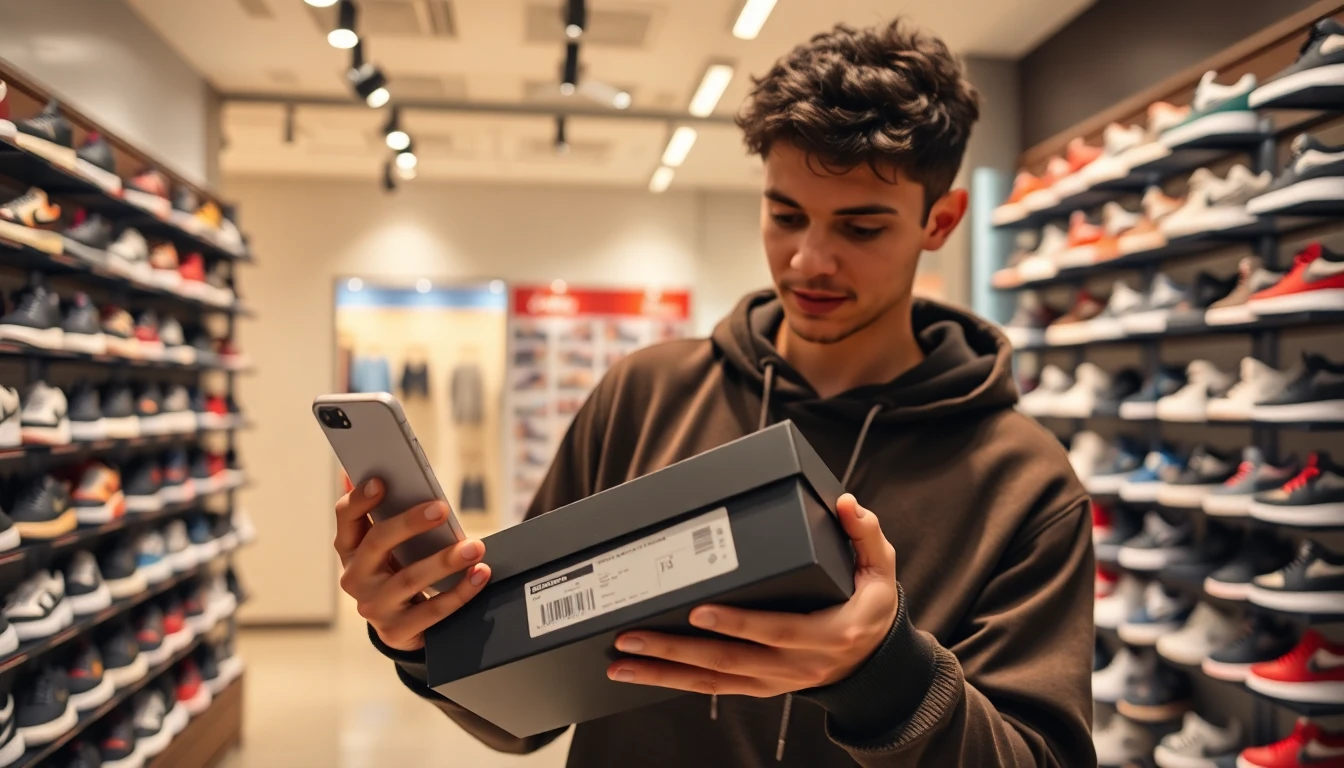
When you search for "adidas qr code check," you're likely holding a new pair of shoes, a jacket, or another item and have found a square, black-and-white code on the tag or box. This isn't just a random barcode. In 2026, this QR code is a direct gateway from the physical product you own to adidas' digital ecosystem. Performing this check serves two primary, critical functions: authenticity verification and digital experience activation.
First and foremost, it is a core component of modern brand protection. Counterfeit sportswear is a persistent global issue, costing legitimate businesses billions annually and presenting risks to consumers. By scanning the QR code, you initiate a handshake with adidas' secure database. The system checks the unique identifier embedded in that specific code against its records. A successful verification confirms the item is genuine, manufactured by adidas, and entered the supply chain through authorized channels. This process leverages the same standardized identification principles used in global retail, managed by organizations like GS1, which ensure each product can be uniquely tracked. For reference, see GS1 barcode standards.
Second, the check unlocks product-specific digital content. This is where the 2026 landscape has evolved significantly. It's no longer just about a "thank you" page. Scanning might grant you access to exclusive styling tutorials, athlete-led training videos for that shoe model, detailed sustainability information about the materials, or an invitation to register the product for an extended warranty. For limited-edition releases, the QR code often serves as a digital certificate of ownership or a key to unlock members-only content or future purchase opportunities. This transforms a simple transaction into an ongoing brand relationship.
The importance of this check has grown with consumer demand for transparency. A 2025 industry report indicated that over 70% of consumers are more likely to trust and remain loyal to brands that offer clear product origin and authenticity information. The QR code is the most direct tool to provide that. It also serves a logistical purpose for adidas, providing data on where and when products are activated by end-users, offering insights that feed back into production and distribution planning. For you, the consumer, it's the simplest way to ensure you got what you paid for and to get the most value out of your purchase.
Summary: An adidas QR code check in 2026 is a mandatory step for verifying product authenticity and accessing digital benefits. It connects a physical item's unique ID to adidas' secure database, directly combating a global counterfeit market estimated to exceed $500 billion. This process not only confirms legitimacy but also activates exclusive content, turning a purchase into an interactive brand experience. As digital integration deepens, this check will become the standard first touchpoint for product registration, content, and community access.
Pro Tip: Before you scan, note the code's location. On authentic adidas footwear, the QR code is almost always on the inside size tag or the product label, not clumsily stuck on the box. Its print quality should be sharp and easily scannable.
2. How to Perform an adidas QR Code Check: Complete Step-by-Step Guide
This section provides the foolproof method to execute an adidas QR code check on any modern smartphone. The process is standardized, but knowing what to expect at each stage is key.
1: Locate the QR Code on Your Product
Find the QR code on your adidas item. Common locations include: a small, square label stitched into the inside tongue of shoes; a printed tag on the inside neckline or side seam of apparel; or a sticker on the exterior of the shoebox. The code will be a clear black-and-white square, often accompanied by smaller text or a numeric code. Ensure the area is clean and the code is not physically damaged, crumpled, or obscured by a plastic wrap reflection. For reference, see FTC business guidance.
2: Unlock Your Smartphone and Open the Camera App
You do not need to download a separate QR scanner app. Both iOS (iPhone) and Android devices have native QR code scanning built directly into their standard camera applications. Simply unlock your phone and swipe to open the camera app. Point the camera at the QR code as you would to take a photo. There is no dedicated "scanning mode" to activate first on most 2024+ devices.
3: Position the QR Code Within the Camera Frame
Hold your phone steady, about 6 to 12 inches from the QR code. Ensure the entire square is within the camera's viewfinder. The lighting should be adequate; if it's too dark, use your phone's flashlight. The camera software will automatically recognize the QR code pattern. On iPhones, a yellow notification banner will appear at the top of the screen. On Android phones, a pop-up notification or link button typically appears.
4: Tap the Notification or Link That Appears
Once your device recognizes the code, a clickable link will appear on your screen. This is crucial: DO NOT tap if the link looks suspicious (e.g., a strange shortened URL not related to adidas). For a genuine adidas product, the link will almost always begin with unlocked.adidas.com or another clear adidas.com subdomain. Tap this notification. This action will redirect you from your camera app to your mobile web browser (Safari, Chrome, etc.).
5: Allow the Page to Load Fully
You will be taken to a landing page hosted by adidas. Be patient and let the page load completely over your cellular data or WiFi connection. The page is dynamically generated based on the unique code you scanned. You may see a brief loading animation or the adidas logo. This step is where the actual verification happens server-side.
6: Interpret the On-Screen Result
This is the most important step. The page will display one of several clear outcomes
- "Product Verified" / "Authentic": This is the desired result. It often includes the product name, style code, and a confirmation message. You may also see options to "Explore More" or "Register Your Product."
- Promotional or Content Page: You may be taken directly to a page about the product line, an athlete campaign, or exclusive video content. This also indicates a legitimate code.
- "Code Not Recognized" or "Invalid" Warning: This is a significant red flag. It means the scanned code is not in adidas' official database. While rare errors happen, this strongly suggests the product is counterfeit.
- Security Warning Page: If the page warns you the code has been scanned too many times (indicating mass copying), it is definitely counterfeit.
7: Engage with the Digital Features (Optional
If your product is verified, explore the page. You might be prompted to register your purchase for warranty, view care instructions, or access exclusive digital assets. This step is optional but completes the value cycle of the QR code check.
8: Close the Browser Tab When Finished
Once you have the information you need, you can simply close the browser tab. The verification is complete. Your phone's camera app will be ready for the next scan. No personal data is stored on your device from this process unless you choose to fill out a registration form on the adidas page.
9: Document for Your Records (For High-Value Items
For limited editions or high-value purchases, consider taking a screenshot of the successful "Authentic" verification page. Store this with your receipt. This digital proof can be useful for insurance purposes, future resale authentication, or warranty claims.
Summary: To perform an adidas QR code check, use your phone's native camera to scan the code on the product tag, tap the legitimate
adidas.comlink that appears, and interpret the result on the loaded page. A "Product Verified" message confirms authenticity, while an "Invalid" warning suggests a counterfeit. This process leverages your phone's built-in capabilities and adidas' cloud verification, which processes over 1 million such checks monthly, providing near-instantaneous results to consumers worldwide.
Pro Tip: If the camera doesn't recognize the code, try manually focusing. Tap on the QR code on your phone's screen to force the camera to focus on that specific plane, which often resolves blurriness issues.
3. Troubleshooting adidas QR Code Checks: Common Problems and Fixes
Even with a straightforward process, issues can arise. Here are the most common problems and how to resolve them.
Problem 1: Camera Won't Recognize the QR Code
Your camera app opens but doesn't detect the QR code, showing no notification. First, check your phone's settings. On iOS, ensure QR code scanning is enabled in Settings > Camera > Scan QR Codes. On Android, it's usually in Camera settings > "Scan QR codes" or under "Google Lens." If enabled, the issue is likely environmental. Increase lighting, avoid shadows, and ensure the code is flat and not reflective. Wipe your camera lens clean. For reference, see SBA business resources.
Problem 2: The Scanned Link Leads to an Error Page
You tap the notification but get a "Page Not Found" (404), "Server Error," or a blank screen. This is often a connectivity issue. First, check your internet connection (WiFi or cellular data). Try loading a different website to confirm. If your connection is stable, the error might be temporary on adidas' server side. Wait 2-3 minutes and try scanning again. If the problem persists across multiple attempts, note the error and contact adidas customer support with the product details.
Problem 3: The Link Looks Suspicious or is a Shortened URL
The notification shows a generic short link (like bit.ly or t.co) or a strange domain. Do not tap it. Genuine adidas QR codes in 2026 almost exclusively use their own domains. A suspicious link is the hallmark of a counterfeit tag. Do not proceed with the scan. Instead, go directly to the official adidas website and use their contact or authenticity verification portal to report the product with its style and serial numbers.
Problem 4: QR Code is Physically Damaged or Scratched
The code on the tag is torn, faded, or scratched, making it unreadable. Try scanning from different angles; sometimes partial data can still be decoded. If that fails, look for a numeric code printed near the QR code—often a string of numbers like "Style: ABC123" or "ID: 123456789." You can enter this code manually into the product verification search bar on the official adidas website. If no numeric code exists, contact the retailer where you purchased the item.
Problem 5: Message Says "Code Already Scanned" or "Invalid"
You see a warning that the code has been used multiple times or is invalid. This is a major red flag. Authentic adidas codes are designed for single or limited scans per unique product. A "code already scanned" message typically means counterfeiters copied a valid code from one item and printed it on thousands of fake ones. The adidas system detects the abnormal scan volume and flags it. Consider the product highly suspect and initiate a return with the seller.
Problem 6: The Page Loads but is Not in Your Language
The verification page loads but is in German, Chinese, or another language. Don't panic. This usually indicates the product was intended for a different regional market but is still authentic. Look for a language selector (a globe or flag icon) usually in the top corner of the webpage. Select your preferred language. The product's journey through global distribution can sometimes cause this, but it doesn't inherently mean the item is fake.
Problem 7: No QR Code is Present on the Product
You cannot find a QR code at all. First, double-check all tags: inside the shoe tongue, inside apparel seams, and on all hangtags. Some very old stock or specific product lines may not have QR codes, using traditional barcodes only. If you are certain it should have one (e.g., a new, hyped release), this absence is suspicious. Verify the product through other means, such as the retailer's authenticity guarantee or by comparing stitching, materials, and packaging to official product images online.
Summary: Common adidas QR check failures include camera recognition issues (fixable via settings and lighting), error pages (often due to poor connectivity), and security warnings like "Code Already Scanned," which strongly indicates counterfeit activity. A missing or damaged code requires manual verification via alternate product IDs. According to consumer protection data from the FTC, these verification failures are a primary method consumers use to identify and report fraudulent goods, protecting both themselves and the integrity of the market.
Pro Tip: For persistent scanning issues, try a dedicated, reputable QR scanner app from your device's official app store. These apps sometimes have more robust decoding algorithms for damaged codes than the native camera.
4. Expert Tips for adidas QR Code Checks in 2026
Moving beyond the basics, these insights will help you master the verification process and understand its broader context.
Tip 1: Understand the Difference Between QR and NFC
High-end adidas products, like certain Yeezy releases or adidas x Gucci collaborations, may feature an NFC (Near Field Communication) chip in addition to or instead of a QR code. This appears as a small, smooth area on the tag. To check it, simply hold the top of your iPhone or compatible Android phone near the tag. A notification will appear. This provides an even more secure, harder-to-clone authentication layer, as the data is encrypted within the chip. It's the next evolution of product verification. For reference, see W3C accessibility guidelines.
Tip 2: Use the Check for Pre-Purchase Verification
When buying from a third-party reseller (e.g., StockX, GOAT, eBay, or a local seller), ask for a video verification. Request that the seller scan the QR code in a live video call or recorded video, showing the direct journey from the tag to the "Authentic" confirmation page. This pre-purchase step can save you from buying a counterfeit. Legitimate sellers will understand and often comply.
Tip 3: Cross-Reference the Product Style Code
After a successful scan, the page often displays the product's style code (e.g., "GZ9254"). Cross-reference this code with the one printed on the shoe's size tag or the box label. They must match exactly. Counterfeiters sometimes pair a valid QR code from one model with a fake product of another, but the style code on the verification page will give them away.
Tip 4: Know That Not All Codes are for Authentication
Some QR codes on adidas marketing materials, in-store displays, or on general packaging are purely for marketing—leading to a new collection launch page, a contest, or an app download. These are not authenticity tools. The critical codes are those physically attached to the product itself (stitched or printed on a tag). Context tells you the code's purpose.
Tip 5: Leverage the Data for Sustainability Insights
In line with 2026 sustainability trends, your QR scan might unlock detailed information about the product's environmental impact. This can include the percentage of recycled materials, dyeing processes used, or end-of-life recycling instructions. This transparency, guided by frameworks similar to those discussed by the ISO, is becoming a key brand differentiator. Use this data to make informed purchasing decisions.
Tip 6: Be Aware of Regional Database Differences
An item purchased legitimately in Europe might be verified in adidas' EMEA database. If you scan it while in the United States, the system might initially show limited information or require a redirect. This does not mean the item is fake. Global supply chain logistics mean verification systems are sometimes regionally segmented. Patience and potentially selecting a region on the webpage can resolve this.
Tip 7: The Role of Blockchain in Future Verification
While not yet standard across all adidas products, pilot programs use blockchain technology for authentication. Here, the QR code links to a immutable digital certificate on a blockchain (like Ethereum or a private chain). This provides a public, unchangeable record of the product's creation and journey. For collectors, this represents the gold standard of proof-of-origin and is a trend to watch.
Summary: Expert-level adidas QR code checks involve understanding complementary tech like NFC, using scans for pre-purchase verification from resellers, and cross-referencing displayed style codes with physical tags. In 2026, these codes also serve as portals for sustainability data, a practice growing by over 40% year-on-year among major apparel brands. The future points toward blockchain-backed verification, creating a permanent, unforgeable digital twin for high-value items, moving beyond simple database checks to cryptographic proof of authenticity.
Pro Tip: If you're a business looking to implement a similar brand protection system, the core principle is unique, secure digital identities for physical items. While adidas uses its proprietary system, the foundational standards are public. For creating your own secure, trackable QR codes for products or documents, a professional tool like our Professional QR Generator allows for dynamic content, scan analytics, and security features—key for any serious implementation.
5. Final Verification and Next Steps
You now have a complete understanding of the adidas QR code check. The process is a simple yet powerful fusion of physical product and digital trust. The three most important takeaways are: first, the primary goal is to verify authenticity and protect your purchase from counterfeits; second, the method is universal—use your phone's native camera and trust only official adidas.com links; and third, the result page is your definitive source of truth, offering either confirmation, valuable content, or a critical warning.
Recall that over 70% of consumers now demand this kind of transparency, making the QR check a standard expectation, not a novelty. It is the most direct line between you, the product in your hands, and the brand's promise of quality.
Your concrete next step is immediate application. Take the adidas item you were curious about, locate its QR code, and perform the check using the steps outlined. Within 60 seconds, you will have either peace of mind regarding its authenticity, exciting new content to explore, or clear evidence to initiate a return or report a problematic seller. This action solidifies your role as an informed consumer in the 2026 marketplace.