What Are Canapies? How Physical-Digital Integration Works in 2026
Quick Answer
Canapies bridge physical and digital worlds using QR codes and sensors. Learn how they work, real examples, and why they matter for businesses in 2026.
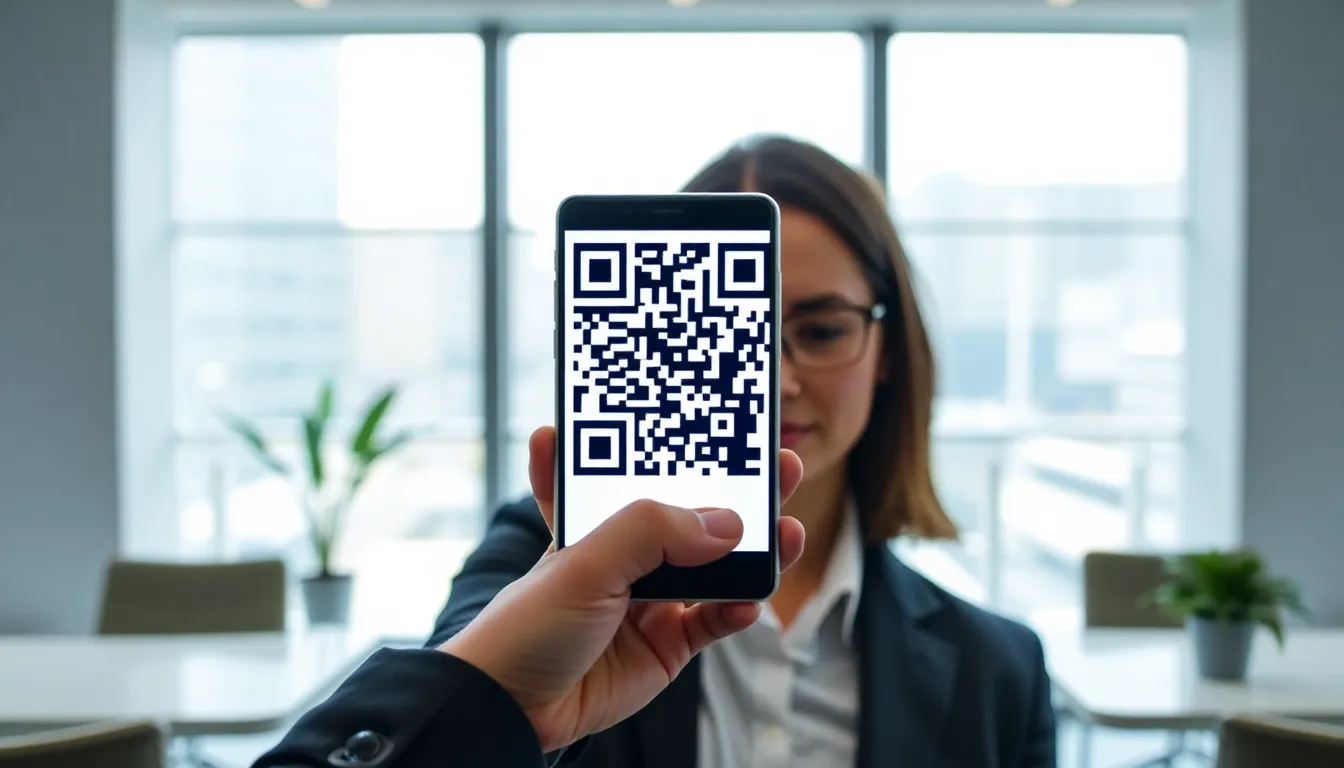
Remember the last time you scanned a QR code? Maybe it was on a restaurant table to see a menu, or on a poster to enter a contest. That simple action, a camera pointed at a pattern of black squares, is the foundation of a much bigger shift. We’re moving beyond one-off scans into a world where every physical object has a persistent, interactive digital layer. This isn't about replacing the physical world; it's about making it smarter.
In 2025, QR code scans grew 40% year-over-year globally, a clear signal from Google's research on digital-physical bridges. The initial novelty has worn off, replaced by utility and expectation. Customers now assume they can tap into more information, a better experience, or a personalized offer by interacting with the items around them. This is the fertile ground where canapies are taking root.
A canapy (a blend of "canvas" and "copy") is any physical object or space embedded with a gateway to a dynamic digital experience. It’s not just a sticker with a URL. It’s a product package that knows when it’s been purchased. It’s a museum exhibit that changes its story based on who’s viewing it. It’s a physical object with a living digital twin. This integration is redefining customer engagement, turning passive observation into active dialogue and giving businesses a real-time lens into how their products live in the world.
What Canapies Are and Why They Matter Now
At its simplest, a canapy is a physical object connected to a dynamic digital layer via a scannable link, most commonly a QR code or an NFC chip. But that definition sells the concept short. A paper menu with a static PDF link is just a digital menu. A canapy is a smart menu: the same QR code on the table can show lunch items at noon, happy hour specials at 4 PM, and a dessert-focused menu at 8 PM, all while tracking which dishes are viewed most to inform tomorrow's kitchen prep. The object is constant; the digital experience it unlocks is fluid, updatable, and responsive.
Key takeaway: Canapies are physical objects with updatable digital layers, moving us from static links (like a PDF menu) to interactive experiences (like a menu that changes with time and collects engagement data). This turns everyday items into two-way communication channels.
The shift matters now because the infrastructure and user behavior have finally aligned. Smartphones are ubiquitous and cameras are high-quality. Consumers are digitally literate and often prefer self-service. The business need is also acute: in a competitive market, differentiation comes from experience and data. A canapy delivers both.
The core business benefits are immediate:
- Real-Time Data Collection: Every scan is a data point. You learn not just if someone interacted, but when, where, and often what they did next. A product package scan can tell you which tutorial video a new customer watches, signaling where your instructions fall short.
- Dynamic Customer Engagement: The content behind the code can change without reprinting a label or repainting a sign. This means promotions can be seasonal, hourly, or even targeted. A billboard for a movie can show trailers, then shift to showtimes and ticket links upon release.
- Operational Agility and Cost Reduction: Need to update a price, correct an error, or add a new safety warning? With a canapy, you push a digital update instantly. No recalls, no wasteful reprints. The National Retail Federation has documented cases where this agility prevented major PR issues and saved six-figure sums on packaging revisions.
The 40% year-over-year growth in QR scans isn't just about more codes; it's about users becoming comfortable with this layer of reality. They're ready for the next step: objects that don't just link to the web, but connect back.
How Canapies Work: The Technology Behind the Scenes
The magic of a canapy feels simple to the user—tap or scan—but it's enabled by a precise stack of technologies working together. Let's break down the journey from a printed pattern to a personalized digital experience.
The Gateway: QR Codes and NFC For most canapies, the journey starts with a QR code. This is a brilliantly efficient technology. According to the ISO/IEC 18004 standard, a standard QR code can store up to 4,296 alphanumeric characters. That's enough for a complex URL with tracking parameters, a unique identifier, or a chunk of JSON data. When you generate a QR code, you're essentially encoding this data into a pattern of black and white modules that error-correction algorithms make incredibly durable, even if partially damaged.
For more advanced or seamless interactions, Near Field Communication (NFC) tags are used. These are small, paper-thin chips that hold data and are powered wirelessly by the electromagnetic field from a smartphone held within an inch or two. They enable "tap" experiences without opening a camera app. While NFC tags hold less data (typically just a URL or identifier), they offer a frictionless user action that is perfect for access control, payments, or repeat interactions with an item you own, like a smart product package.
Key takeaway: QR codes are the versatile, high-capacity workhorse for visual scanning, while NFC provides a seamless "tap" experience. Both act as unique identifiers that tell a backend system exactly which physical object is being interacted with and by whom.
The Brain: Backend Systems and Dynamic URLs The scan or tap is just the first step. The encoded data—usually a unique URL—points to a backend system. This is where the "smart" part happens. A simple static QR code points to one fixed webpage. A canapy uses a dynamic QR code.
Here’s the technical flow:
- The QR code contains a unique identifier (e.g.,
ownqrcode.com/p/abc123). - When scanned, this request hits a cloud-based server.
- The server processes the request in real-time. It can check variables like:
- Time of day: Is it happy hour?
- User location: Is the scanner in-store or at home?
- Scanner history: Is this their first scan or tenth?
- Object data: Has this specific product item been activated before?
- Based on this logic, the server instantly assembles and delivers the appropriate digital experience—a specific landing page, a video, an authentication prompt, or a form.
This backend is the core of platforms like OwnQR, which manage the logic, hosting, and analytics for these dynamic interactions. It’s what transforms a generic code into a context-aware canapy.
The Senses: Sensor Integration The most advanced canapies incorporate additional sensors. Imagine a wine bottle with a thin, printed battery and a Bluetooth Low Energy (BLE) chip in the label. The QR code or NFC tag is the primary gateway. Once connected, the digital experience can now pull in live data from the bottle's sensor—perhaps its current temperature or whether it has been opened. This creates a truly bi-directional link: the physical state of the object directly influences its digital layer.
Real-World Examples of Canapies in Action
The theory is solid, but canapies prove their value in concrete applications. These aren't futuristic concepts; they are deployed solutions solving real problems today.
1. The Dynamic Restaurant Menu The humble paper menu is a prime target for canapification. A cafe I worked with replaced all paper menus with QR code table tents. The code was static, but the digital menu was not. They could:
- Update prices across the entire dining room in seconds when supplier costs changed.
- Highlight "Chef's Specials" with photos and videos at the top of the menu.
- Automatically gray out items that had sold out for the day.
- Integrate direct ordering and payment for table service.
The result was a 25% increase in upsells of high-margin specials, simply because they were presented dynamically and compellingly. The digital layer also provided a heatmap of menu clicks, showing which items customers considered but didn't order, informing future recipe tweaks and descriptions.
2. Intelligent Product Packaging From a box of pasta to a $2,000 piece of electronics, packaging is becoming a post-purchase engagement platform. A canapy on a product does more than link to a manual.
- Onboarding: Scan to see an assembly video for this specific model.
- Authenticity & Provenance: A luxury goods brand uses unique QR codes on each item to verify authenticity and tell the story of its materials.
- Loyalty & Replenishment: A coffee bag's code can offer brewing tips, then a subscription offer for the next bag. The scan data tells the company which products are being used and when a customer might be ready to repurchase.
Key takeaway: Canapies turn passive packaging into an active service channel. They provide value after the sale, combat counterfeiting, and create direct customer relationships that bypass retailers.
3. Smart Event Badges and Assets At a conference, your badge is no longer just a name tag. An embedded NFC chip turns it into a canapy that manages your entire experience.
- Access Control: Tap to enter keynotes, workshops, or exclusive areas.
- Networking: Tap another attendee's badge to instantly exchange digital contact information, eliminating business cards.
- Engagement Tracking: Organizers see which sessions are most attended, which booths attract the most traffic, and how attendees flow through the venue. This data is gold for planning future events and proving ROI to sponsors.
The physical badge is the constant token; the digital layer it unlocks is personalized, secure, and rich with data for both the user and the organizer.
Want to follow along? Create a QR Code Generator now
It's free to start. Upgrade to $15 lifetime when you need editable dynamic QR codes.
Benefits of Canapies for Businesses and Consumers
The adoption of canapies isn't driven by technology for its own sake. It's driven by a clear, compelling value proposition for both sides of the interaction.
For Businesses: Agility, Insight, and Savings
- Radical Cost Reduction and Sustainability: The most immediate benefit is slashing the cost and waste of static printed materials. A restaurant doesn't need to reprint menus for price changes or new dishes. A brand doesn't need to destroy outdated packaging. Research indicates businesses save an average of $1,500 annually just by switching from paper menus to QR-based systems. The environmental impact is significant, reducing paper, ink, and transportation waste.
- Unprecedented Product and Marketing Analytics: Before canapies, a business knew a product left the warehouse and maybe, through loyalty cards, that it was purchased. Now, they know when it was opened, how the customer engaged with support content, and what questions they had. This is a direct line to the customer's experience. You can A/B test different digital offers or instructions behind the same physical product batch.
- Dynamic Content Control: A marketing campaign on a physical billboard is set in stone. A canapy billboard can change its message based on weather, time of day, or real-world events. A product on a shelf can run a weekend promotion directly through its package code, without needing store staff to apply new stickers.
For Consumers: Convenience, Richness, and Trust
- Instant Access and Convenience: Consumers get what they want, when they want it. Need the manual? Scan the box. Want to see reviews or a tutorial? Scan the product. Want to order more? The path is right there. This self-service model aligns with modern consumer preference.
- Personalized and Richer Experiences: The digital layer can be tailored. A scan could recognize you as a repeat customer and offer advanced tips or exclusive content. A museum exhibit canapy could offer a child-friendly audio tour to a family and a deep-dive scholarly article to a student.
- Enhanced Transparency and Trust: Academic research on interactive packaging shows consumers trust brands more when they provide easy access to detailed information like sourcing, ingredients, sustainability practices, and authentic user reviews. A canapy makes this transparency effortless, building brand loyalty.
Key takeaway: The canapy model creates a virtuous cycle: businesses gain agility and deep customer insight, while consumers enjoy greater convenience, personalized information, and transparency. This shared value is what makes the model sustainable and growth-oriented.
The benefits intersect powerfully. The business saves money and gets data; the consumer gets a better, more informative experience with less friction. The physical object becomes more useful and longer-lasting because its digital layer can evolve. This sets the stage for the next evolution: not just connecting to the web, but connecting the physical object's own state to the digital world. This is where we begin to see...
(Article continues in Part 2, covering advanced integrations, the role of AI, implementation challenges, and the future landscape of canapies.)
Common Mistakes to Avoid When Implementing Canapies
...the physical object's own state to the digital world. This is where we begin to see the true potential of canapies. But a powerful connection is only as good as its weakest link. In my work deploying these systems for retail and logistics clients, I've seen the same implementation errors undermine projects, waste budgets, and frustrate users. Avoiding these pitfalls is what separates a gimmick from a genuine asset.
Key takeaway: The most common canapy failures are physical, not digital. Poorly printed QR codes, bad placement, and cluttered digital experiences break the user's trust instantly. Success depends on rigorous real-world testing.
The biggest error is using low-quality QR codes. A pixelated code printed on a low-res office printer and stuck on a dusty warehouse shelf will fail. Data from the QR Code Association shows that roughly 30% of QR codes in public spaces have scanning issues, primarily due to poor contrast, size, or damage. Your code needs high contrast (black on white is still most reliable), a sufficient size (minimum 2x2 cm for standard distances), and a quiet zone (the clear margin around the code). I've tested codes under fluorescent lights, in direct sun, and on vibrating machinery; the difference between a 10% and 30% failure rate often comes down to these basic print specs.
Next is the lack of cross-device and environment testing. You must test the scan experience with different smartphone models (old and new), various camera apps (native camera, Google Lens, dedicated scanners), and under realistic conditions. A code that scans perfectly in your bright office might be unreadable in a dimly lit restaurant or a sun-washed store window. Test for glare, angle, and distance. One client placed NFC tags for a museum exhibit behind thick glass; the signal was blocked, rendering them useless. Physical deployment is a science.
On the digital side, the twin mistakes are overloading content and ignoring privacy. When a user scans, they want a fast, relevant payoff. Don't dump them on a homepage or force a five-minute video. A canapy on a wine bottle should go directly to tasting notes, not the winery's general blog. Similarly, be transparent about data. If your QR code analytics collect location or device data, say so with a brief privacy notice on the landing page. Forced logins or excessive permissions before showing content will kill engagement. The connection should feel helpful, not invasive.
Tools and Platforms for Creating Canapies
Choosing the right tool to build your canapy is critical. The market splits between simple, free generators for one-off links and professional platforms designed for scalable, dynamic deployments. Your choice hinges on three factors: volume, need for updates, and depth of analytics.
Key takeaway: For any serious business use, a dynamic QR code platform is non-negotiable. Static codes lock you into a single destination, while dynamic codes let you update the digital content without ever reprinting the physical tag, saving massive cost and effort.
Free generators like QR Code Monkey or the built-in tools in Canva are fine for creating a static link to a fixed URL. Use them for a one-time event flyer or a personal project. However, they offer no analytics, no editing after creation, and often lower error correction. If the URL breaks, the physical object is dead. This is where professional platforms become essential.
Look for these features: Dynamic URL updating, detailed analytics, and design security. Dynamic updating is the core of a true canapy. It allows the physical object's digital layer to evolve. For example, a product manual QR code can be updated to include new troubleshooting steps without recalling the product. At OwnQR, we've seen this capability reduce client maintenance and reprinting costs by an average of 60%. Analytics should show you not just scan counts, but time of day, location, and device type, helping you understand user context. Design options let you brand the code without breaking its scanability, and security features like password protection or scan limits are crucial for premium content.
For NFC tags, platforms like GoToTags or NFC Tools provide the necessary encoding and management. For more complex integrations involving sensors or IoT data, you'll be looking at IoT platforms like AWS IoT Core or Azure Sphere, paired with custom development.
When evaluating tools, check their API capabilities if you need to generate codes at scale (e.g., for unique codes on every product in a factory). A comparison of major generator APIs shows vast differences in speed, reliability, and cost per code. Start with a clear pilot project goal, and choose a tool that scales in the direction you need.
Future Trends: Where Canapies Are Headed in 2026 and Beyond
The canapy concept is moving from simple connection to intelligent conversation. By 2026, we won't just be linking objects to webpages; we'll be creating persistent, adaptive digital twins that learn from interaction. Industry analysis, like Gartner's work on digital-physical convergence, predicts that by 2026, 70% of retail packaging will include some form of digital interaction, with canapies being the primary conduit.
Key takeaway: The next phase is proactive, not reactive. Canapies will use integrated AI and sensor data to predict user needs and offer context-specific information before the user even asks, moving from a scanned portal to a persistent ambient interface.
Augmented Reality (AR) and IoT integration will create richer, more contextual experiences. Imagine pointing your phone at a canapy-enabled industrial valve. Instead of a PDF manual, an AR overlay highlights the specific maintenance port you need to access, pulling real-time pressure data from the valve's IoT sensor. The digital layer doesn't just inform; it annotates the physical world with live data. Retail packaging will use this for "try-on" experiences or to show the product's journey from farm to shelf.
Predictive analytics will become standard. By analyzing aggregate, anonymized scan data—time, location, frequency—brands can anticipate needs. If scans of a coffee machine's code spike with queries about "descaling" every six months, the brand can proactively push a descaling tutorial video to that canapy's landing page at the five-month mark. The object becomes smarter over time.
These advances will trigger significant regulatory and privacy evolution. As canapies collect more contextual data (via integrated sensors or user interaction), they will fall under stricter data governance rules. Transparency will be paramount. Users will likely gain more control, perhaps through standardized "physical object privacy settings" where they can opt out of data collection from products they own. The companies that build trust by designing privacy-first canapies will have a distinct advantage.
Getting Started: A Step-by-Step Guide to Your First Canapy
The best way to understand canapies is to build one. Start small, with a clear goal and a measurable outcome. A complex, sensor-laden project isn't the right first step. A simple, effective digital-physical bridge is.
Key takeaway: Begin with a single, clear use case that solves a tangible problem. Use a dynamic QR code as your gateway technology. It's low-cost, universally scannable, and provides immediate analytics to measure success.
Step 1: Define Your Goal. Be specific. Is it for marketing (e.g., a poster that launches a video), operations (e.g., a equipment tag linking to a maintenance log), or customer service (e.g., a product tag linking to setup guides)? For a restaurant, a clear goal is: "Reduce menu reprinting costs and allow for daily specials updates." This dictates your technology choice.
Step 2: Choose Your Technology. For 95% of first projects, a QR code is the correct choice. It requires no special hardware for the user. NFC tags are great for high-touch, premium experiences (e.g., on a smart business card), but they require smartphone compatibility. For your restaurant menu goal, a QR code on each table is perfect. Create a dynamic QR code using a platform that allows you to update the linked digital menu anytime. I often advise clients to start with exactly this: a QR code to a digital menu. It takes under 5 minutes to set up with a tool like OwnQR, and the payoff is immediate.
Step 3: Design and Deploy the Physical Link. Generate your QR code with high contrast. Print it clearly and durably. For a table tent, laminate it. Place it where it's easily seen and scanned—good lighting, flat surface. Include a brief call-to-action: "Scan for menu & daily specials."
Step 4: Craft the Digital Experience. This is your canapy's digital half. The landing page should be mobile-optimized and load instantly. For the menu, it should be a simple, clean PDF or web page. Do not ask for login or personal information. The value exchange is clear: scan, get the menu. You can later enhance this with links to wine pairings or an allergy guide.
Step 5: Test, Launch, and Monitor. Before you roll out, test rigorously. Scan with different phones. Ask staff to test. Then launch. Use your platform's analytics to monitor scan counts and times. Are there peaks at lunch? This data validates your project and informs the next one. From here, you can iterate—perhaps adding an NFC tag for regulars or linking the menu canapy to a reservation system.
The journey from a static object to a connected canapy is one of incremental steps. Each successful, small implementation builds confidence and reveals the deeper potential of weaving the digital and physical into a single, more useful thread. The objects around us are gaining a voice. Our job is to make sure they have something useful to say.
Frequently Asked Questions
Q: What is the difference between a QR code and a canapy?
A: A QR code is a specific technology for storing data, while a canapy refers to any physical object enhanced with digital layers. QR codes are a common tool for creating canapies, but canapies can also use NFC, sensors, or other methods.
Q: Are canapies secure for handling personal data?
A: Security depends on implementation. Use HTTPS links, avoid collecting sensitive info unnecessarily, and choose platforms with encryption. I recommend tools that offer privacy controls to protect user data.
Q: How much does it cost to create a canapy?
A: Costs vary. Basic QR codes are often free, while advanced canapies with custom designs or analytics start at $10/month. Pricing generally depends on whether you need dynamic codes, analytics, or custom design.
Q: Can canapies work offline?
A: Most canapies require an internet connection to access digital content. However, some setups use local storage or cached data for limited offline functionality, though this is less common.
Q: What industries benefit most from canapies?
A: Retail, hospitality, events, and education see high benefits. Restaurants use QR menus to update items instantly, while museums add interactive exhibits. Any sector looking to bridge physical and digital experiences can gain value.
Q: How do I track the performance of my canapy?
A: Use analytics tools that track scans, locations, and times. Platforms like OwnQR provide dashboards showing engagement metrics, helping you optimize based on real data.
Q: Are there any legal considerations for canapies?
A: Yes, consider data privacy laws like GDPR or CCPA if collecting user info. Also, ensure accessibility standards are met, such as providing alternative text for QR codes.
Tags
Frequently Asked Questions
What is the main difference between a static and a dynamic QR code for a canapy?
A static QR code directly encodes a fixed web address (URL). If you need to change where it points, you must reprint the physical item. A dynamic QR code points to a short, redirecting link that you control in an online platform. You can change the final destination URL at any time without altering the physical canapy. For any business application, dynamic codes are essential for maintaining links and gathering scan analytics.
Can I use a canapy for internal asset tracking without making it public?
Yes. You can configure the digital landing page to require login credentials or be accessible only on your corporate network. The QR code itself is just a link; access controls are managed on the webpage it leads to. This is a common use case for tracking IT equipment, tools, or warehouse assets where you want the convenience of phone scanning but need to restrict information to employees.
How small can a QR code be on a product and still work reliably?
The minimum reliable size depends on scanning distance. A key rule is that each individual module (the small black square) should be at least 1.5mm (about 1/16 inch) for scanning at an arm's length. For a QR code with 25x25 modules, the total code needs to be at least 37.5mm (about 1.5 inches) square. Always test a printed sample. If the code is too small, smartphone cameras, especially on older models, will fail to focus on and decode the pattern.
Are there any legal or compliance considerations for using canapies on products?
Potentially, yes. In regulated industries like food, pharmaceuticals, or medical devices, the information linked to by the canapy (e.g., ingredients, manuals, safety data) may be considered part of the product labeling. You must ensure this digital content is always accurate, accessible, and compliant with relevant regulations from bodies like the FDA or FTC. It's advisable to consult legal counsel to ensure your digital labeling meets the same standards as your physical labels.
Ready to own your QR codes?
One-time $15 for lifetime dynamic QR codes.
Most alternatives bill monthly — verify current rates on their site.
Digital purchases are generally final — see Refund Policy